The circular case
A by-product, given a second life.
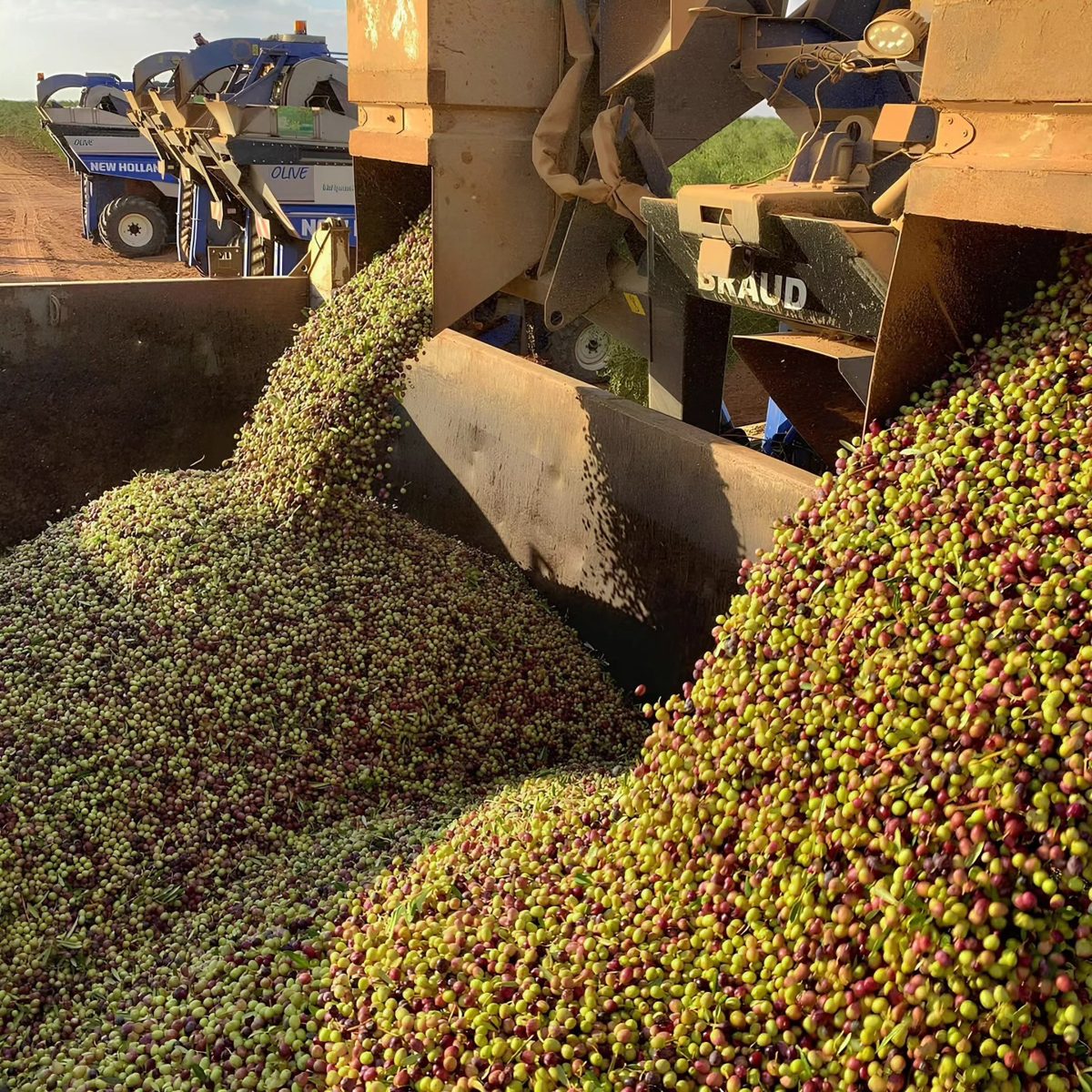
Olive oil pressing leaves behind hard, woody seeds, usually discarded or burned. We carbonize them into battery-grade hard carbon, giving an agricultural by-product a far higher-value second life.
Hard carbon · Na-ion anode · Bio-sourced
OLIVEION turns olive-seed biomass — a regional agricultural by-product — into anode-grade hard carbon for sodium-ion batteries from plant biomass. A short, traceable supply chain that starts and ends in Saudi Arabia, developed at KAUST.
From waste to energy
Seeds left over from regional olive pressing — biomass that would otherwise be waste.
Controlled high-temperature pyrolysis converts the seed into a non-graphitizable carbon.
Milled and classified to a battery-grade powder with a tuned particle-size distribution.
Why sodium-ion
As demand for energy storage climbs, sodium-ion is emerging as the complement to lithium-ion, a lower-cost option for the jobs that need it most. Sodium is cheap, abundant, and free of the geopolitical constraints that come with lithium and cobalt.
Its anode is the piece to get right: sodium-ion runs on hard carbon. OLIVEION produced hard carbon with an agricultural waste by-product. We are keeping the supply chain short, local, and low-carbon.
Made entirely from olive-seed biomass — no petroleum coke or synthetic resin precursor.
Valorizes a waste stream from the regional olive industry instead of competing for new feedstock.
Microstructure engineered for reversible Na⁺ capacity and a stable, low first-cycle loss.
A short Saudi-based supply chain — from Saudi olive groves to a single, documented carbon grade.
Half-cell performance
Half-cell results; full measured data on the product page.
The circular case
Olive oil pressing leaves behind hard, woody seeds, usually discarded or burned. We carbonize them into battery-grade hard carbon, giving an agricultural by-product a far higher-value second life.
We can send a technical datasheet and discuss sample quantities for evaluation.
Request a sample →